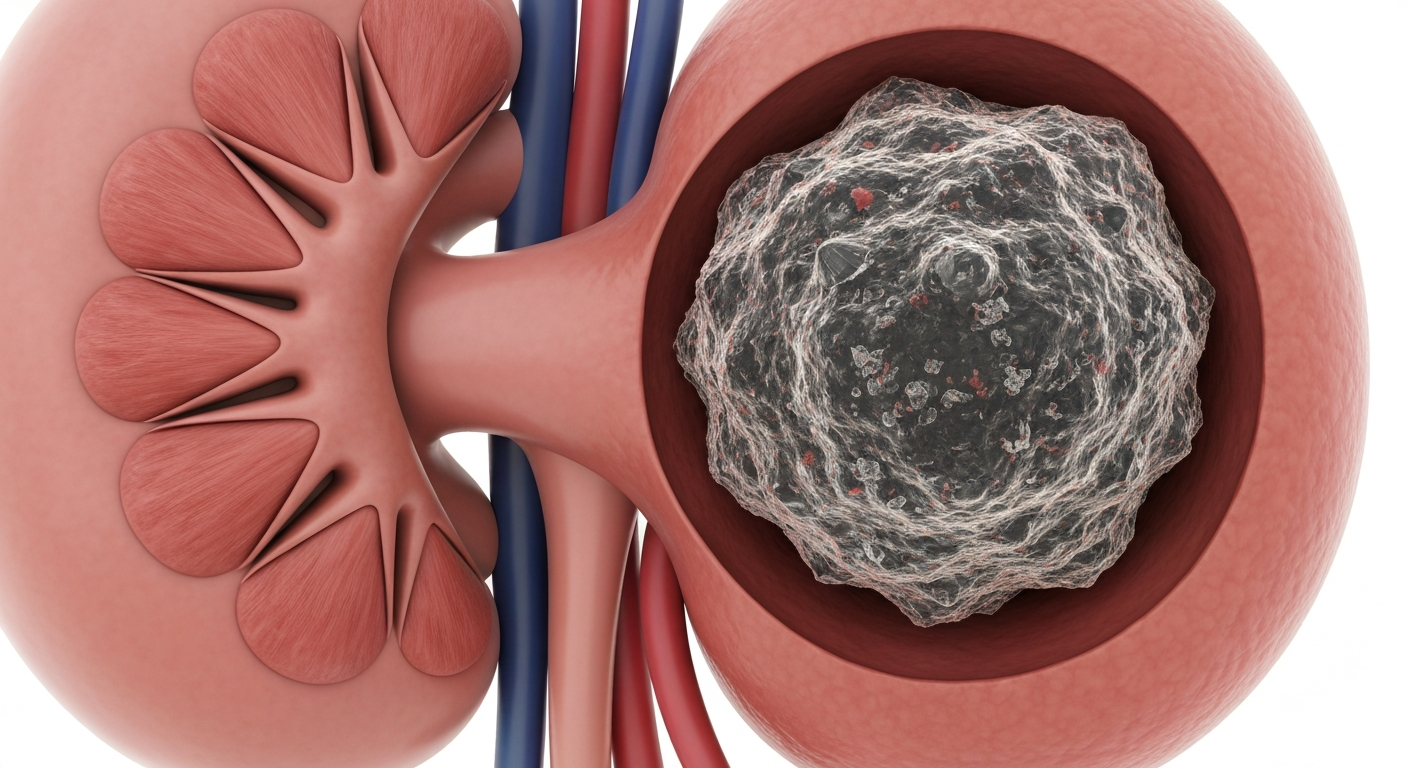
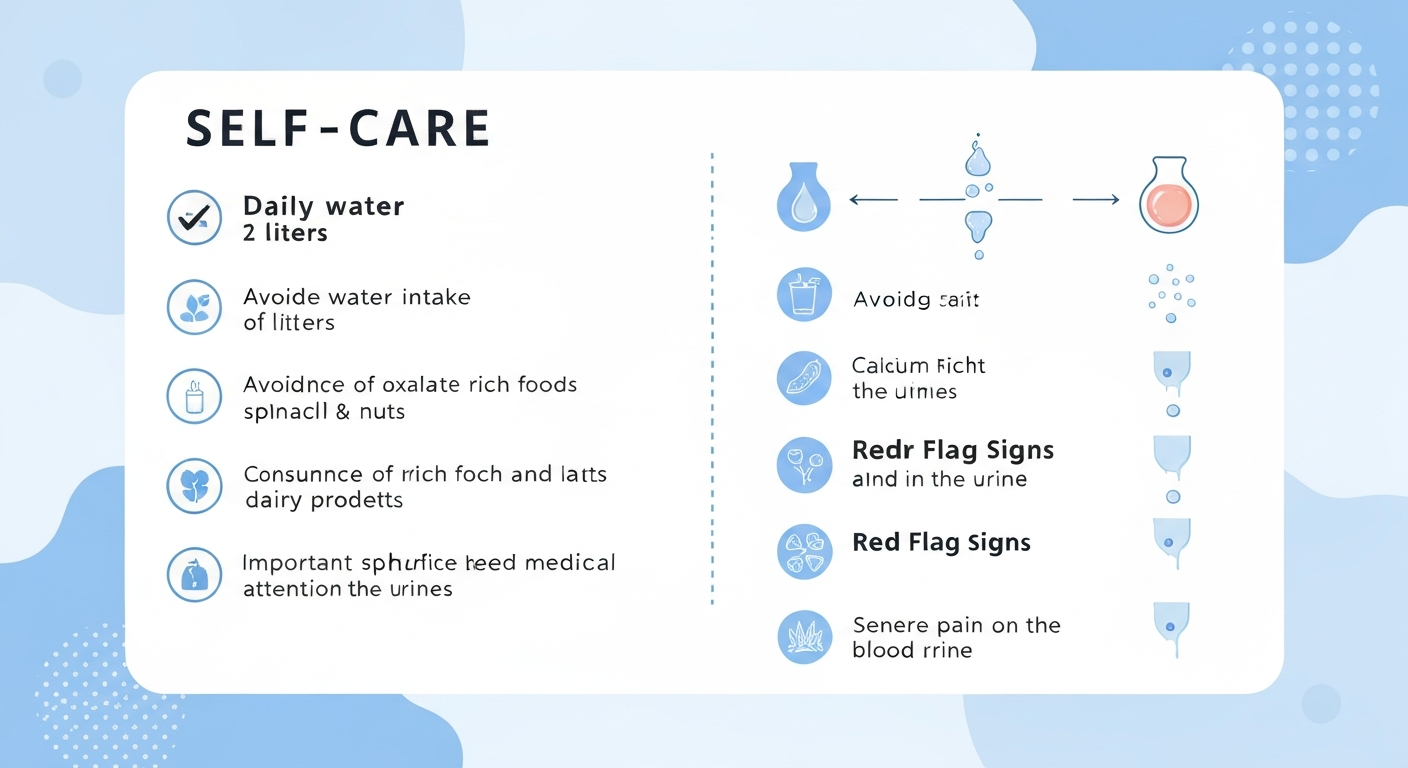
シュウ酸カルシウム結石の形成メカニズムを理解するうえで重要なのが、「腸管でのシュウ酸吸収を食事カルシウムが抑制する」という仕組みです。ランダム化比較試験(men with hypercalciuria対象)を含む複数の研究が、1日カルシウム1,200mgの食事(+低シュウ酸・低動物性タンパク・低塩分)が低カルシウム食(400mg)と比べて5年後の結石再発率を51%低下させることを示しました[4]。
Yasui T et al.(2008)「Prevalence and Epidemiological Characteristics of Urolithiasis in Japan: National Trends Between 1965 and 2005」Urology. ScienceDirect。― 本記事での引用箇所:「日本で上部尿路結石の年間発症数が1965〜2005年の40年間で約3倍に増加した」という疫学データの根拠
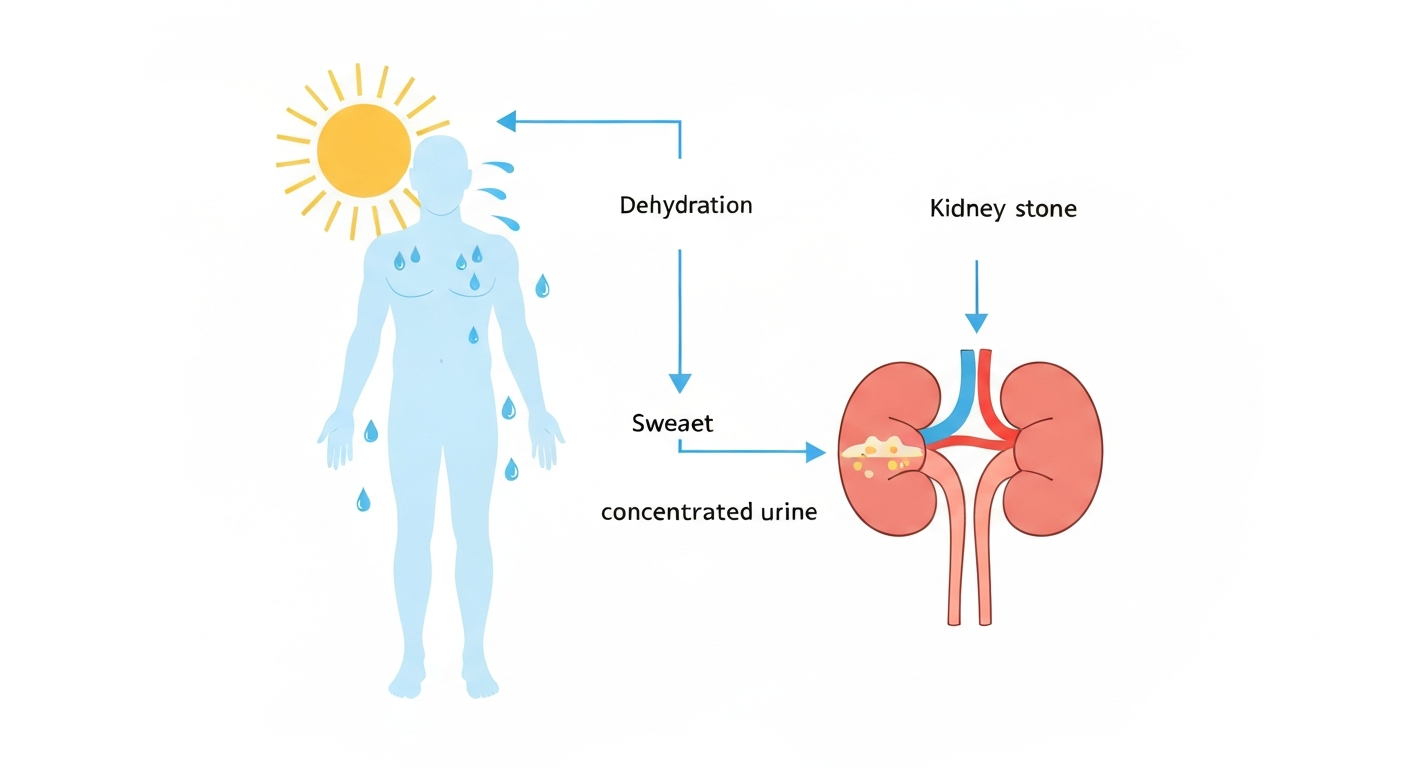
Geraghty RM et al.(2017)「Worldwide Impact of Warmer Seasons on the Incidence of Renal Colic and Kidney Stone Disease: Evidence from a Systematic Review of Literature」Journal of Endourology. PubMed。― 本記事での引用箇所:「高温の月に腎疝痛の発症数が増えることが国際的に確認されている」という根拠(13研究の系統的レビュー)
Ichiyanagi O et al.(2017)「Rise in ambient temperature predisposes aging, male Japanese patients to renal colic episodes due to upper urolithiasis」Scandinavian Journal of Urology. PubMed。― 本記事での引用箇所:「日本において気温上昇と腎疝痛発症に正の相関が確認された(患者1,005人分析)」という根拠
Asplin JR & Coe FL(2006)「Strategies for preventing calcium oxalate stones」CMAJ / PMC. PMC。― 本記事での引用箇所:「シュウ酸カルシウム結石が全結石の約80%を占める」「食事カルシウム1,200mg+低シュウ酸・低タンパク・低塩分食で5年再発率51%低下」「食塩・動物性タンパク制限の推奨量」の根拠
Sromicki J & Hess B(2020)「Simple dietary advice targeting five urinary parameters reduces urinary supersaturation in idiopathic calcium oxalate stone formers」Urolithiasis. PMC。― 本記事での引用箇所:「食事指導で尿量25%増・尿中シュウ酸21%減・カルシウムシュウ酸過飽和度21.5%低下(75人、p<0.0001)」という介入研究の根拠
Gamage KN et al.(2020)「The role of fluid intake in the prevention of kidney stone disease: A systematic review over the last two decades」Turkish Journal of Urology. PMC。― 本記事での引用箇所:「高い水分摂取量が尿量増加と結石リスク低下と関連」「オレンジジュース・グレープフルーツジュースが結石リスク低下に関連」「クランベリージュースは過飽和度を高める」という根拠
Wang Z et al.(2021)「Effect of dietary treatment and fluid intake on the prevention of recurrent calcium stones and changes in urine composition: A meta-analysis and systematic review」PLoS One, 16(4):e0250257. PMC。― 本記事での引用箇所:「水分摂取を増やした群の結石再発リスク比0.39(95%CI 0.19〜0.80、P=0.01)」というメタアナリシスの根拠(6RCT・n=824)