Sakai F, Hirata K, Igarashi H, et al. (2022)「A study to investigate the prevalence of headache disorders and migraine among people registered in a health insurance association in Japan」The Journal of Headache and Pain. PMC9219245 ― 本記事での引用箇所:日本における緊張型頭痛の有病率(6.7%)の根拠
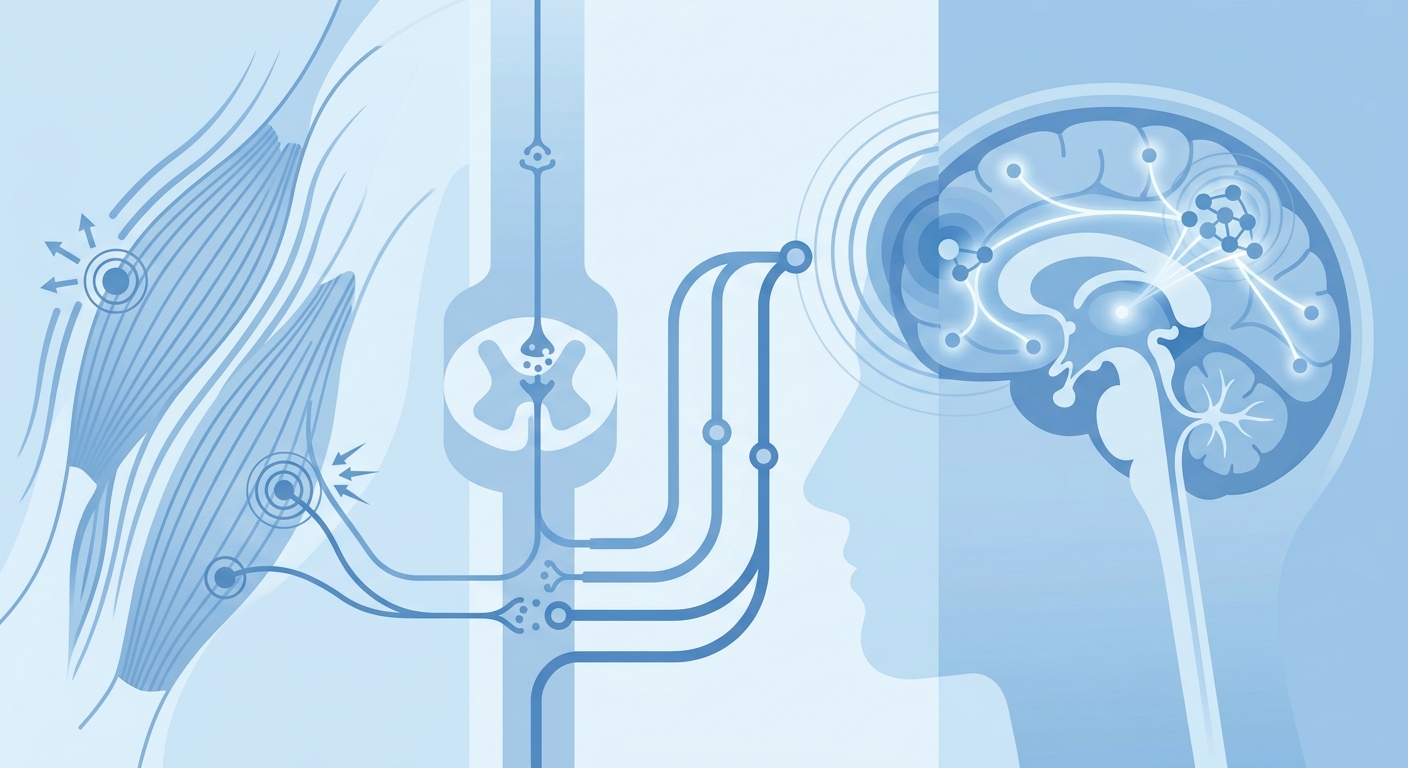
Steel SJ, Robertson CE, Whealy MA. (2021)「Current Understanding of the Pathophysiology and Approach to Tension-Type Headache」Current Neurology and Neuroscience Reports. PubMed PMID:34599406 ― 本記事での引用箇所:末梢・中枢の二重メカニズム、中枢性感作の説明の根拠
Jensen R. (1999)「Pathophysiological mechanisms of tension-type headache: a review of epidemiological and experimental studies」Cephalalgia. PubMed PMID:10448549 ― 本記事での引用箇所:頭頚部筋肉の圧痛点が緊張型頭痛患者で有意に多いという記述の根拠、末梢・慢性での中枢性メカニズムの使い分け
Turkistani A, Shah A, Jose AM, et al. (2021)「Effectiveness of Manual Therapy and Acupuncture in Tension-Type Headache: A Systematic Review」Cureus. PubMed PMID:34646653 ― 本記事での引用箇所:鍼治療で頭痛頻度が平均約50%低下、徒手療法の効果が予防薬に匹敵するという記述の根拠
Jung A, Eschke RC, Struss J, et al. (2022)「Effectiveness of physiotherapy interventions on headache intensity, frequency, duration and quality of life of patients with tension-type headache. A systematic review and network meta-analysis」Cephalalgia. PubMed PMID:35236143 ― 本記事での引用箇所:「徒手療法と運動療法の組み合わせ」が頭痛頻度の低減において最も高い効果を示したという記述の根拠
Krøll LS, et al. (2021)「Manual joint mobilisation techniques, supervised physical activity, psychological treatment, acupuncture and patient education for patients with tension-type headache. A systematic review and meta-analysis」The Journal of Headache and Pain. PubMed PMID:34418953 ― 本記事での引用箇所:マインドフルネス・心理的アプローチがストレス症状に弱いポジティブ効果を示したという記述の根拠